


La Madelaine, Tursac
Highlights
Produced by:  © 2022
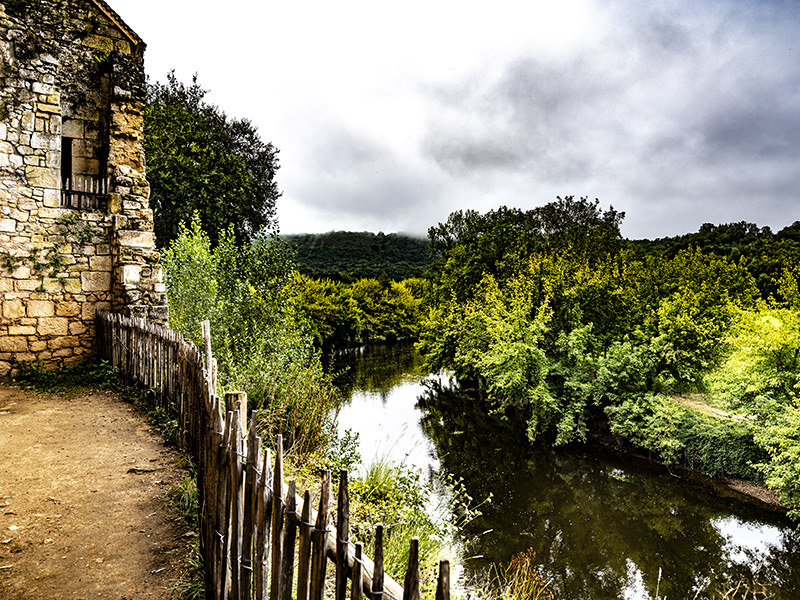
La Madeleine is a monumental witness to human settlement history. Located on a narrow bend of the Vézère river, the history of this site stretches from the Stone Age to the early modern period. Today, the site belongs to the municipality of Tursac in the heart of the Périgord.
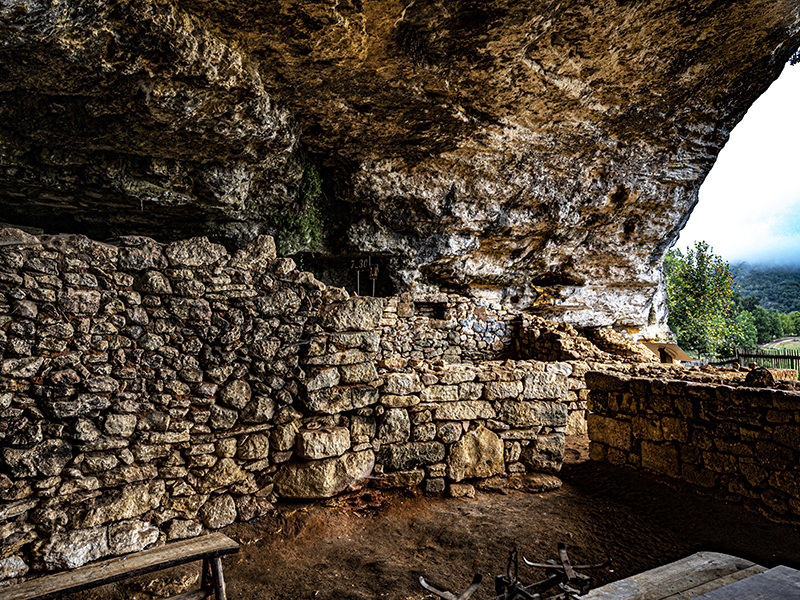
The troglodyte settlement of the cliffs can be traced back to the 8th century. Inhabitants utilized natural cavities and expanded them according to their needs. This created protected living spaces high above the valley floor—safe from predators and the martial incursions of Vikings or Saracens.
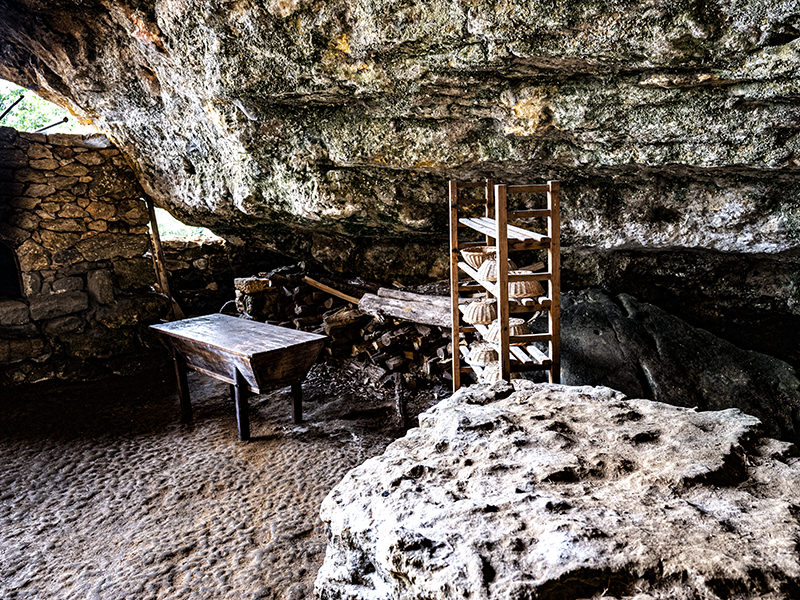
Peak Period and Daily Life
Between the 8th and 13th centuries, the cliff village experienced a significant boom. Farmers, traders, and their families defined the landscape. Their daily life was hard but organized: fishing, livestock breeding, and trade along the riverbanks ensured survival. The Vézère was both a blessing and a protection—it provided water and food, but also formed a natural obstacle for potential attackers.
The End of an Era
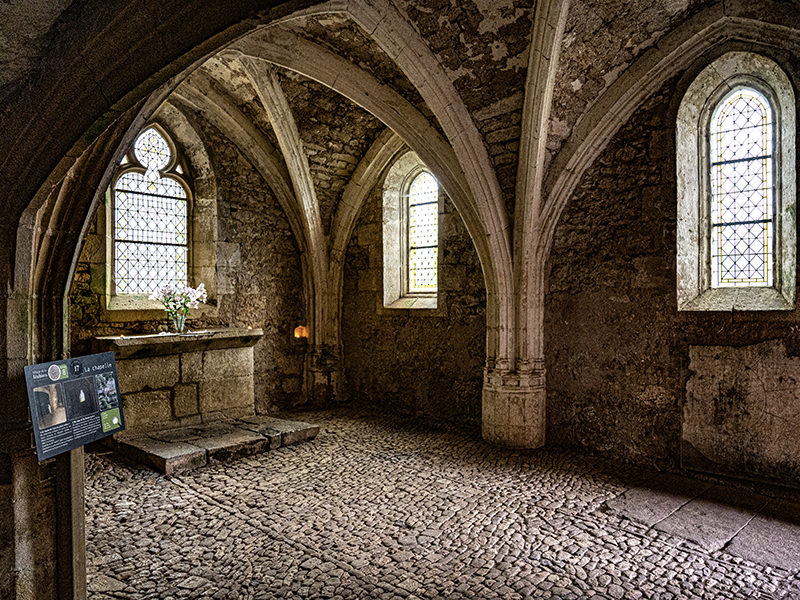
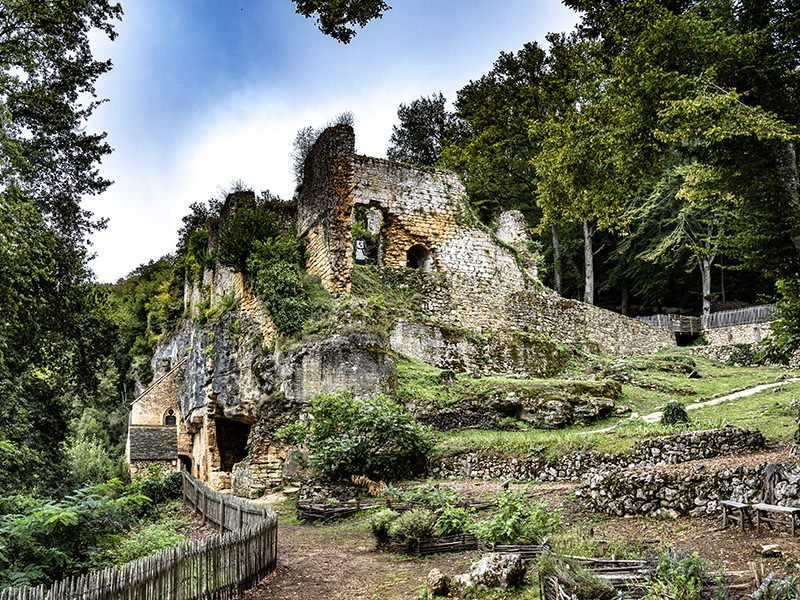
In the 14th century, the Hundred Years' War brought horror to Aquitaine. La Madeleine and the associated castle of the Sireuil family were at the center of the conflict. The defensive structures were massively reinforced; even today, beam holes in the rock walls testify to constructions that once projected far over the river. During this time, the village's "main street" resembled a crowded camp of soldiers, civilians, and livestock.
After the Beynac de Tayac family took over the castle, its peak period ended abruptly with a fire in 1623. The residents left the site, and only a family of weavers remained. In the following centuries, the caves served only as occasional shelters for shepherds, until the last lights in La Madeleine were finally extinguished at the beginning of the 20th century.