

Musée Basque
The History of Bayonne and the Basque Country
Highlights
Produced by:  © 2025
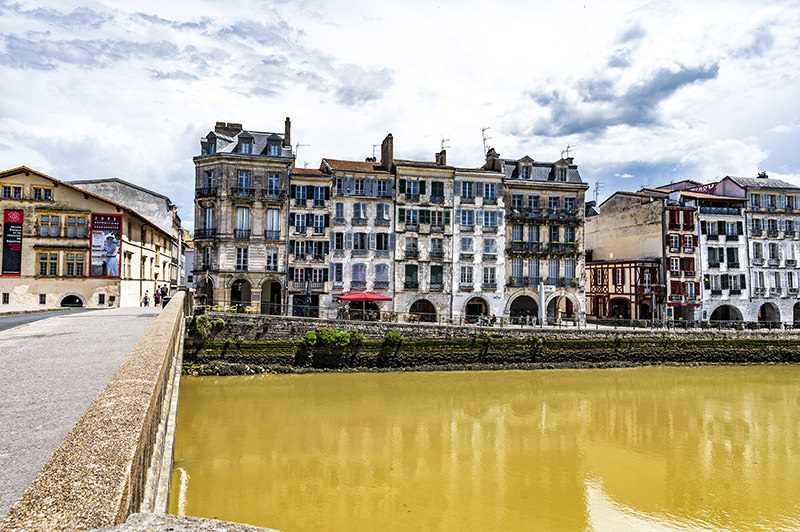
The Euskal museoa houses the most extensive collection concerning social life in the Northern Basque Country (Iparralde). It is located in the Maison Dagourette, a magnificent 17th-century port house. This architectural monument is inextricably linked to the history of Bayonne, is now a listed building, and has served as a worthy setting for the Basque Museum since 1924.
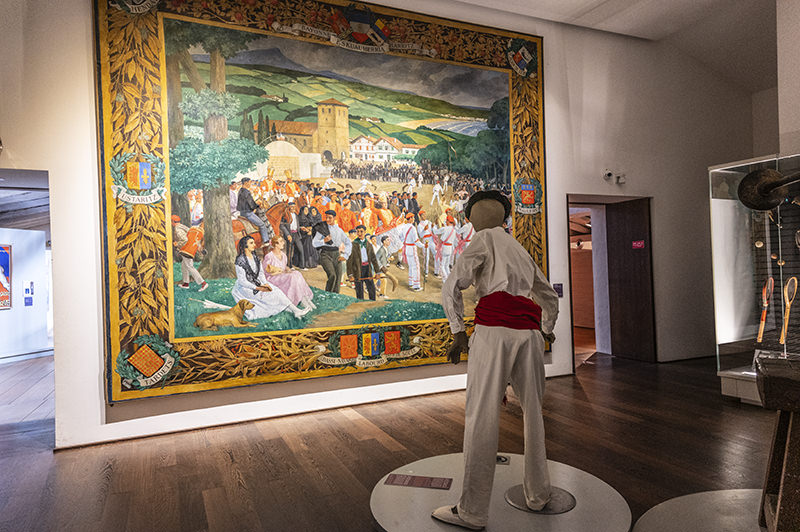
A House Full of Discoveries
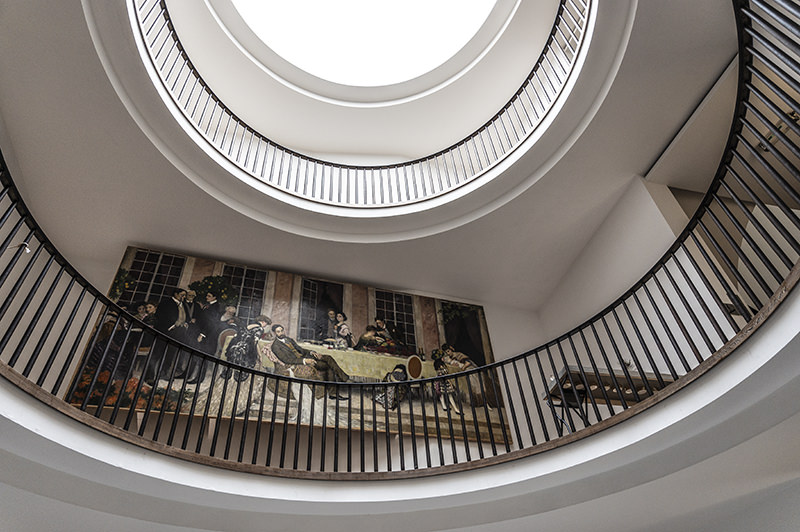
The architecture of the building is impressive: around the large central light well, the Argialde, about twenty themed rooms span across three levels. These lead the visitor through the entire diversity of Basque culture—from the origins of the language and rural life to traditional crafts and significant maritime and river-based activities.
Between Trade and Conflicts
Bayonne's roots date back to the Gallo-Roman period. The city served as a fortress, a marketplace, and a coveted territory for Visigoths, Franks, and Normans. Thanks to its strategic location on the rivers and its proximity to Spain, Bayonne flourished through international trade and logistics, yet found itself repeatedly caught in geopolitical conflicts well into the 20th century.
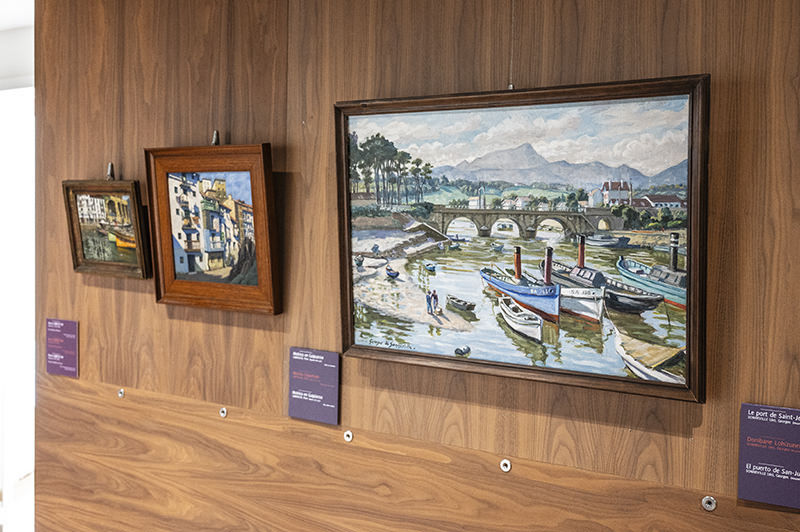
A Living Culture
Despite all the conflicts, a strong, independent identity developed. The Basque language (Euskara) and deeply rooted traditions are not merely museum artifacts here, but part of daily life. The museum provides the perfect introduction to the self-image of the people in the Basque Country—a place to learn and understand.

About tips-4-trips
The tips-4-trips travel guide is the digital information brand in the portfolio of TV im Web GmbH.
This comprehensive travel guide to the most beautiful destinations in Western Europe draws on a tradition of documentary filmmaking spanning more than 30 years, whilst the online portal itself celebrated its 20th anniversary in 2025.
t4t is available in English, French and German and offers detailed, first-hand content designed to inspire travellers from all over the world. Every aspect is covered, from city breaks to campsites, from villages to golf and wellness resorts, from sights to cultural events, and there are also unusual stories, as well as those for adventurous travellers.
The portal is continuously updated and welcomes an average of 5 million users per month.