


Centre Pompidou, Paris
Radical Avant-Garde
Art & Artists
Produced by:  © coming soon
A week in Paris—a span of time far too short for everything, but just right for the essentials. At the top of our travel itinerary was one specific destination: the Centre Pompidou. We were particularly fascinated by the dynamic concept of its ever-changing exhibitions. Modern and contemporary art is simply "our thing," and where better to celebrate this passion than in this radical monument of the avant-garde?
Beaubourg – A Monument in Flux
The Centre national d’art et de culture Georges-Pompidou in the heart of the 4th arrondissement is an architectural statement that shook the professional world upon its opening in 1977. The building begins telling the story of Paris right at its façade. In the distinctive glass tubes that traverse the exterior like veins, you literally float above the rooftops of the city, gaining new and spectacular perspectives with every meter of height.
One often hears critical voices complaining that this building is "always under construction." Yet, that is precisely the radical concept: the Centre Pompidou is never finished. It constantly reinvents itself through its ever-changing exhibitions. Anyone returning to the house after some time enters a completely different museum—a thrilling venture that one can rediscover with every visit.
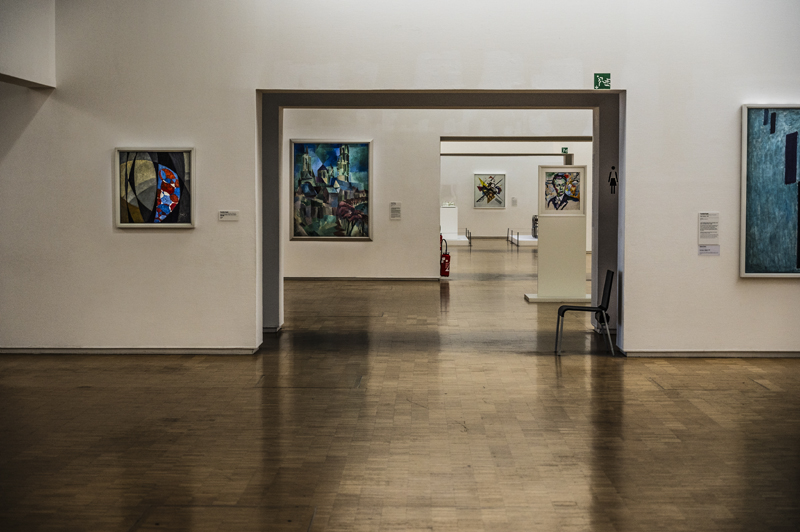
Myth and Matter: Joseph Beuys
On the fourth floor, you dive deep into the contemporary collection. A special focus here is dedicated to the German visionary Joseph Beuys. Since his hundredth birthday in 2021, an extraordinary part of his life's work has been presented here. A total of 20 works by the artist, who achieved world fame through his symbolic felt creations, are showcased in an impressive staging.
Complemented by Hildegard Weber's installation "Hommage à Beuys '86," a tour unfolds across four rooms, highlighting all facets of this charismatic personality—from sculptures and objects to rare film documents and archives.
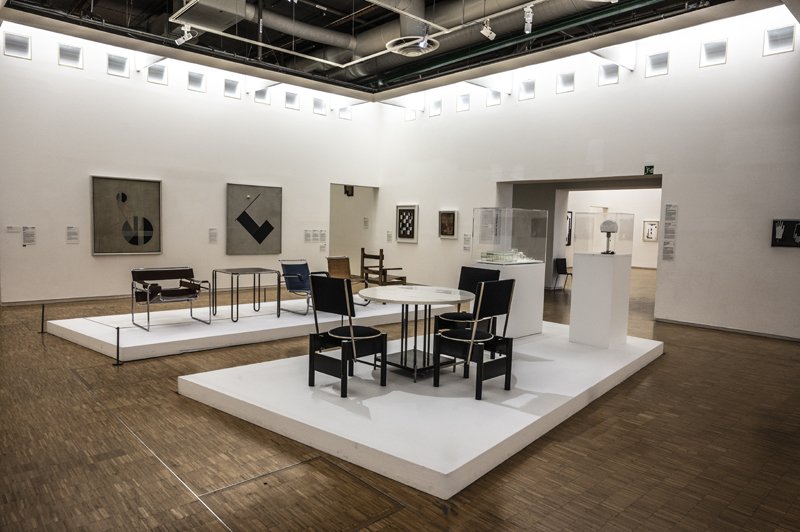
The Who's Who of Modernism
The fifth floor is a triumphant journey through modernism. Here, you encounter the architectural visions and paintings of Le Corbusier, followed by the strict aesthetics of the Bauhaus. The department presents masterpieces by Paul Klee, Vassily Kandinsky, and Josef Albers, as well as iconic furniture designs by Marcel Breuer.
But that's not all: the gallery houses models of the "Street Front" by the wrapping artist Christo and gathers illustrious names like Piet Mondrian, Max Ernst, Man Ray, and Kiki Kogelnik. It is a dense web of colors, forms, and radical ideas that keeps the spirit of the avant-garde alive to this day.