Monsieur Txokola
The Workshop of Chocolate Dreams
Culinary Artisans
Produktion:  © 2026


Produktion: © 2026
In Bayonne, the historic capital of chocolate, there is a place where the craft has reclaimed its most original form.
Monsieur Txokola belongs to the exclusive circle of French chocolatiers who produce their chocolate directly from the cocoa bean—true "Bean-to-Bar." The encounter between Ronan Lagadec and Cyril Pouil was the spark for this project. The two friends combine nearly 30 years of experience from artisanal tradition and industrial know-how. You can feel this special chemistry in every detail of the manufacture.
During our visit, we were allowed to dive deep into their world, where bars, the finest spreads, and pure cocoa powder delight gourmets and enthusiasts alike. In the Rue Jacques Laffite, roasting, grinding, and refining take place every day. The chocolate is then conched for at least 48 hours before it takes its final shape as a noble bar.
The special feature for visitors: the workshop is designed entirely behind glass. This allows you to marvel at the fascinating processing of the cocoa step by step—transparency that you can smell and taste.
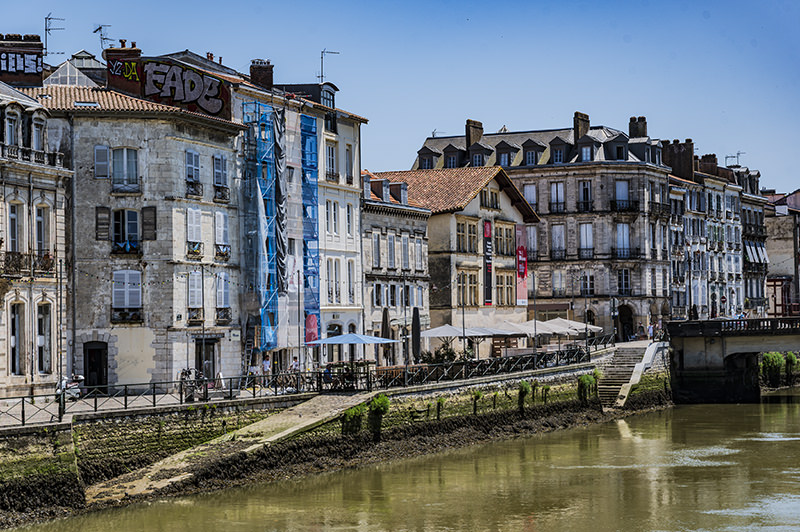
The workshop and attached shop are worth a visit in their own right. Those wishing to visit Monsieur Txokola must cover the "last mile" on foot—a conscious path through the streets of Bayonne that heightens the anticipation. Through the manufacture's large windows, every single production step can be observed closely.
Whether big or small, gourmet or sweet tooth: one should take the time to spend a moment in the warm atmosphere. This is not about industrial productivity, but about pure love for the product.
Roasting is a complex and crucial step. Here, the fine aromas and flavor notes develop, requiring enormous experience. Every harvest is unique and demands the perfect balance between temperature and duration. After roasting, the shells are mechanically removed from the beans. A final visual inspection ensures that only the purest product is processed further.
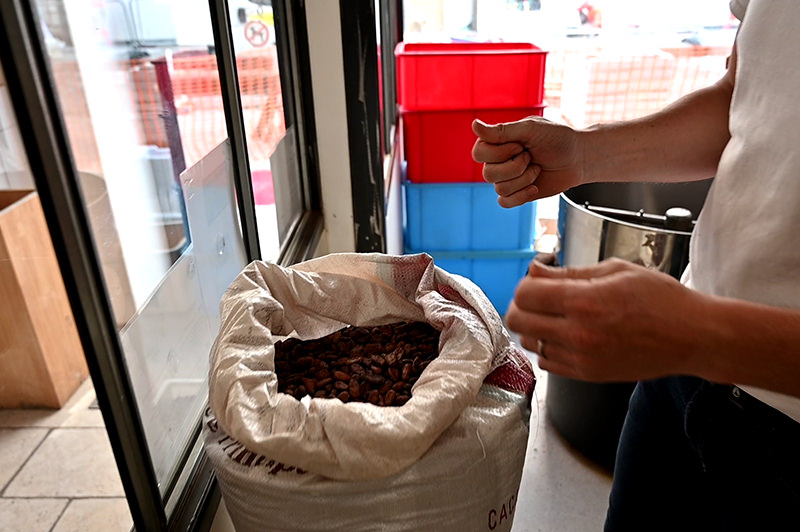
The cocoa beans are mixed with sugar (and milk powder for milk chocolate) to create a homogeneous mass. This is then ground until the particles measure only a few dozen micrometers—guaranteeing the perfect melt and a silky finish. The most important step follows: for three days, the mass is stirred at 60°C. This conching unfolds the full aromatic splendor and softens the natural acidity.
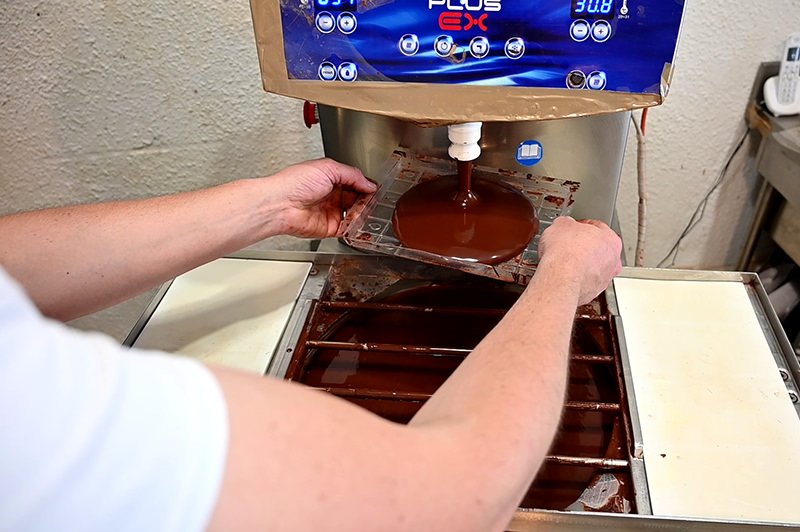
After precise tempering, the chocolate is poured into molds. This creates not only classic bars but also surprising creations with subtle fillings. Even special formats for professional chefs are molded here.
Have you ever heard of cocoa juice? Inside the pod, the beans are surrounded by a thick white pulp. By pressing it, Ronan and Cyril extract a delicious, naturally sweet juice. It surprises with fruity notes of lychee, lemon, and exotic fruits.
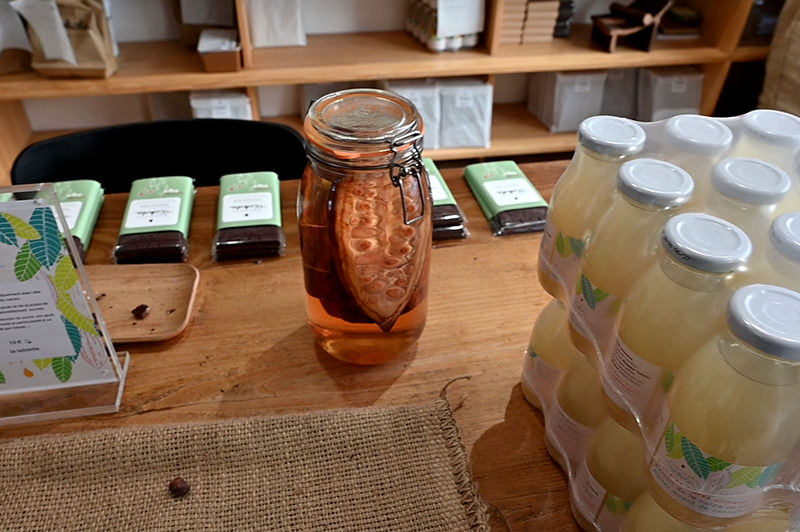
This juice is the result of close relationships with farmers in the Quevedo region of Ecuador. Monsieur Txokola thus honors cocoa cultivation in its entirety and brings a Central American tradition directly to Bayonne.
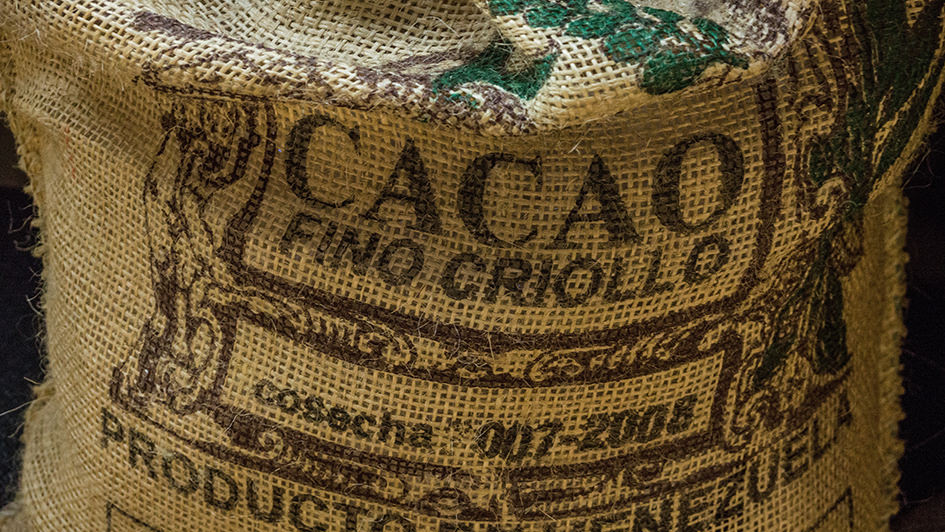
The manufacture's philosophy is based on the constant search for exceptional beans. Connoisseurs distinguish between three main varieties:

The tips-4-trips travel guide is the digital information brand in the portfolio of TV im Web GmbH.
This comprehensive travel guide to the most beautiful destinations in Western Europe draws on a tradition of documentary filmmaking spanning more than 30 years, whilst the online portal itself celebrated its 20th anniversary in 2025.
t4t is available in English, French and German and offers detailed, first-hand content designed to inspire travellers from all over the world. Every aspect is covered, from city breaks to campsites, from villages to golf and wellness resorts, from sights to cultural events, and there are also unusual stories, as well as those for adventurous travellers.
The portal is continuously updated and welcomes an average of 5 million users per month.