
Natural History Museum, Aschaffenburg
Spessart - Highlights
Produced by:  © 2025


Produced by: © 2025
A visit to the Natural History Museum of the city of Aschaffenburg is an extraordinary experience. It is, in a way, a "museum of a museum" that presents its exhibits in a very traditional manner. This nostalgic charm turns the tour into a journey through the history of science. It is particularly fascinating to see the local bird life—usually only observed from a distance—so close at hand, allowing visitors to appreciate their true size and intricate details from up close.

The roots of this impressive collection lie in the Aschaffenburg Forestry College, which existed from 1807 to 1910. What delights visitors today as a public exhibition originally served as teaching material for prospective foresters. The zoological, botanical, and geological-mineralogical holdings contain numerous individual objects that today possess not only high visual appeal but are also of invaluable scientific-historical worth.

Since 1970, the magnificent Schönborner Hof—a former city palace of the Counts of Schönborn dating from 1681—has housed the collections. In the heart of Aschaffenburg's city center, the museum now showcases the treasures of the Spessart and the Bavarian Lower Main. Under the patronage of Prince-Primate Karl Theodor von Dalberg, the former private forestry school grew into a significant center for forestry research and education, the legacy of which is preserved here.

On the first floor, a glittering world awaits visitors. The geological-mineralogical department provides a comprehensive overview of all ten mineral classes. Alongside a systematically organized collection, nearly all minerals from the Spessart and Odenwald regions are represented. Particularly noteworthy is the secondary mineralization of the quartz porphyry from the Hartkoppe near Sailauf, which is displayed here with a level of completeness that is unparalleled worldwide.
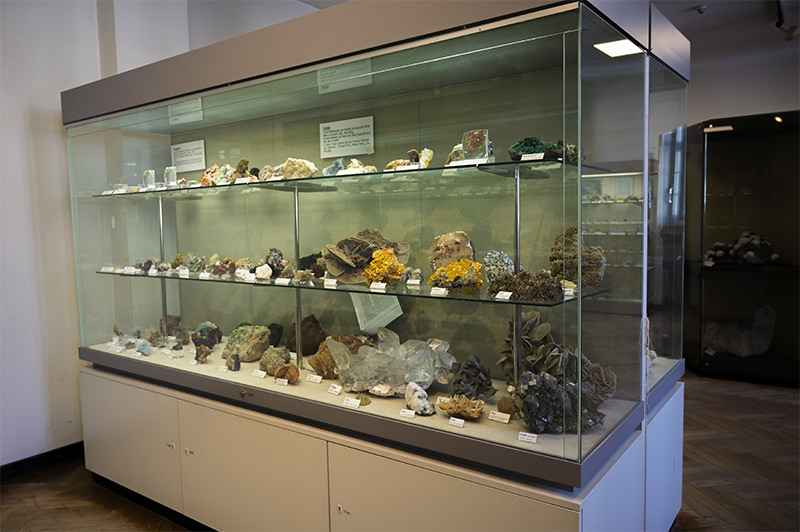
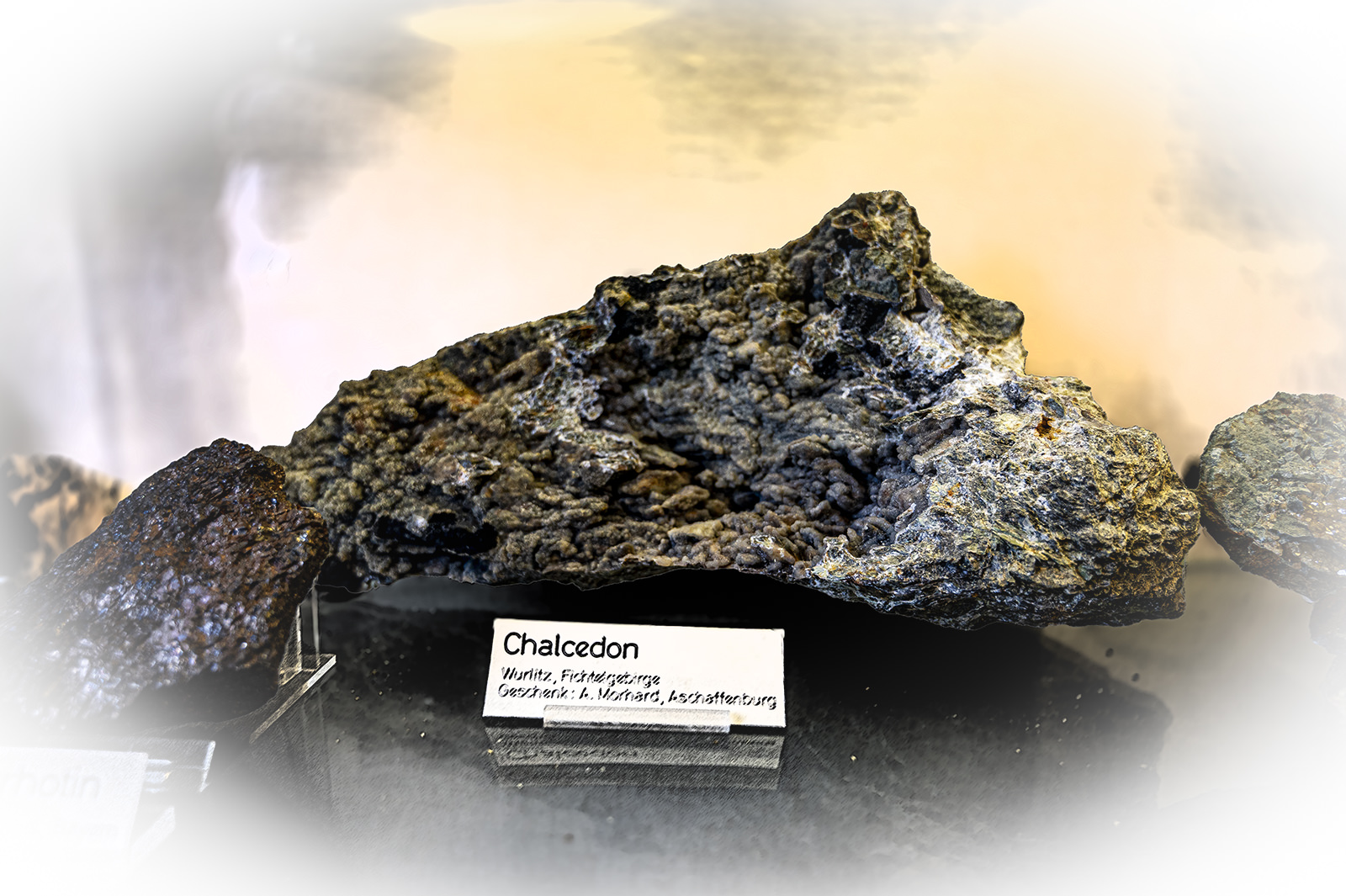
Source: Martin Höpfner, Collection Manager Natural History Museum

The tips-4-trips travel guide is the digital information brand in the portfolio of TV im Web GmbH.
This comprehensive travel guide to the most beautiful destinations in Western Europe draws on a tradition of documentary filmmaking spanning more than 30 years, whilst the online portal itself celebrated its 20th anniversary in 2025.
t4t is available in English, French and German and offers detailed, first-hand content designed to inspire travellers from all over the world. Every aspect is covered, from city breaks to campsites, from villages to golf and wellness resorts, from sights to cultural events, and there are also unusual stories, as well as those for adventurous travellers.
The portal is continuously updated and welcomes an average of 5 million users per month.