

EUSKADI! Bayonne
City Tours · Nouvelle-Aquitaine
Produced by:  © 2023
Baiona, at the confluence of the Nive and Adour, is the proud gateway to the French Basque Country. Between picturesque half-timbered houses on the riverbank, massive fortress walls, and the scent of the finest chocolate, the soul of Euskadi reveals itself here.
Although Bayonne is an official city, it feels more like a large village—stress-free and inviting. The Nive separates the districts of Grand Bayonne and Petit Bayonne. Colorful houses line the riverfront promenades, their construction almost reminiscent of a "Basque Amsterdam."
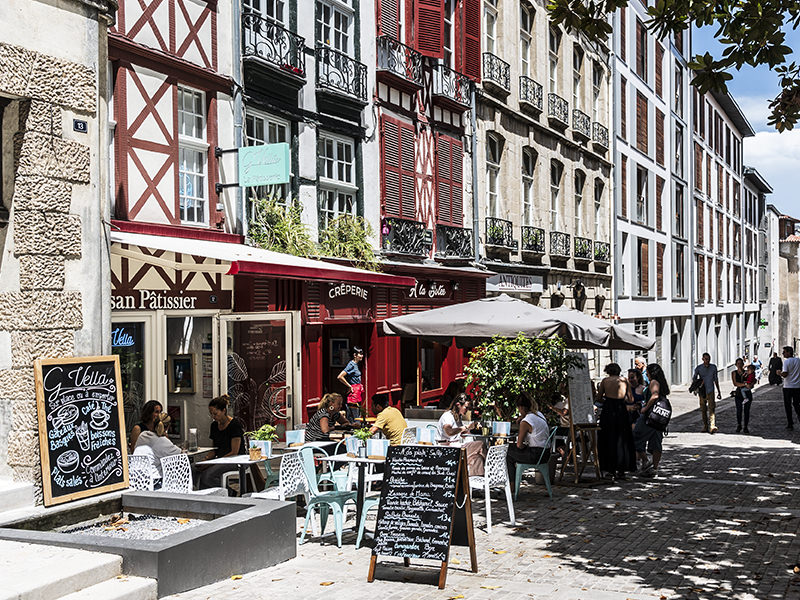
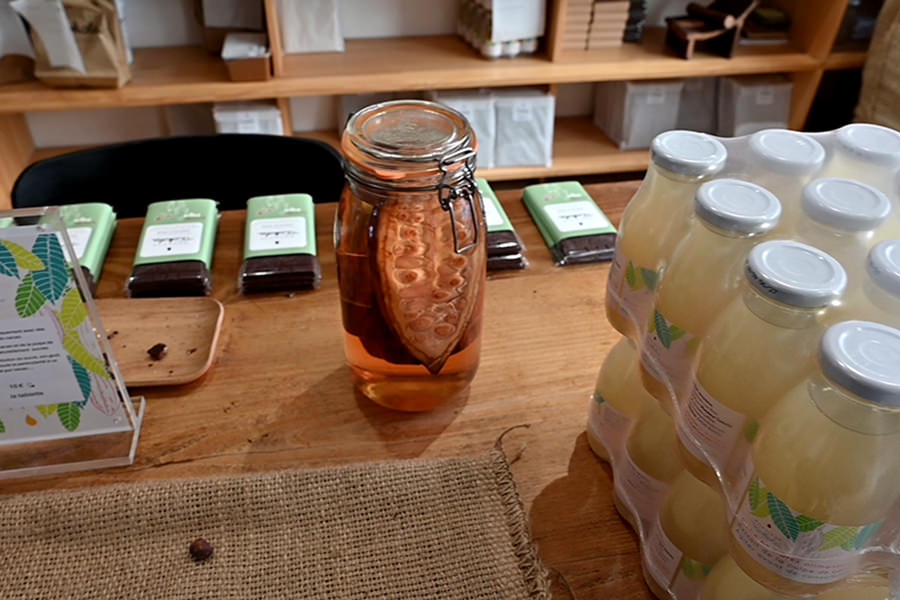
Thanks to its strategic location on the Adour, trade flourished. Whaling and the cod industry brought prosperity, which financed the construction of magnificent buildings and the massive Gothic cathedral. The import of cocoa by Sephardic Jews also made Bayonne the chocolate capital of France.
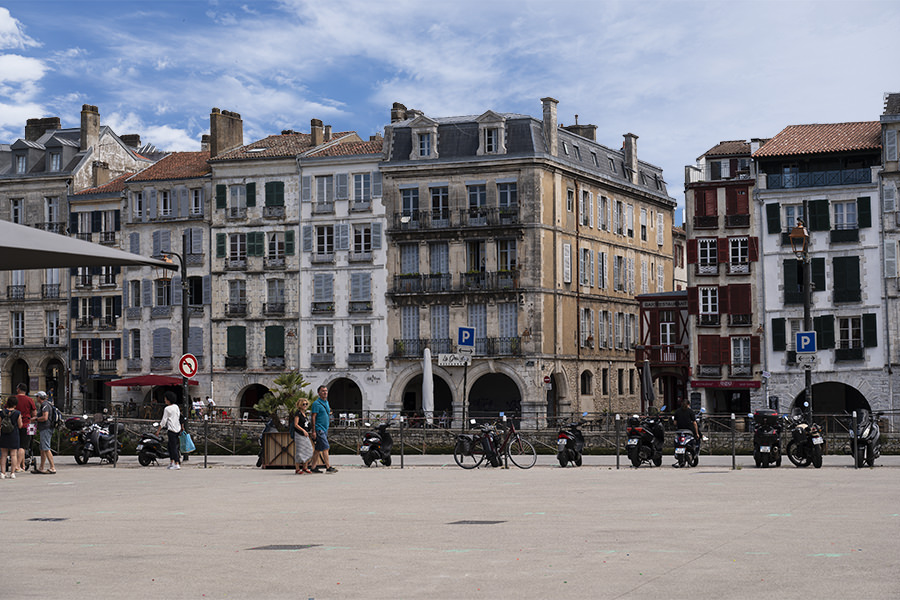
Petit Bayonne
This district houses the Musée Basque, located in a 16th-century townhouse. It offers a deep insight into regional history. The 15th-century Château-Neuf also towers over the city here, though it is now used for university purposes.

Grand Bayonne
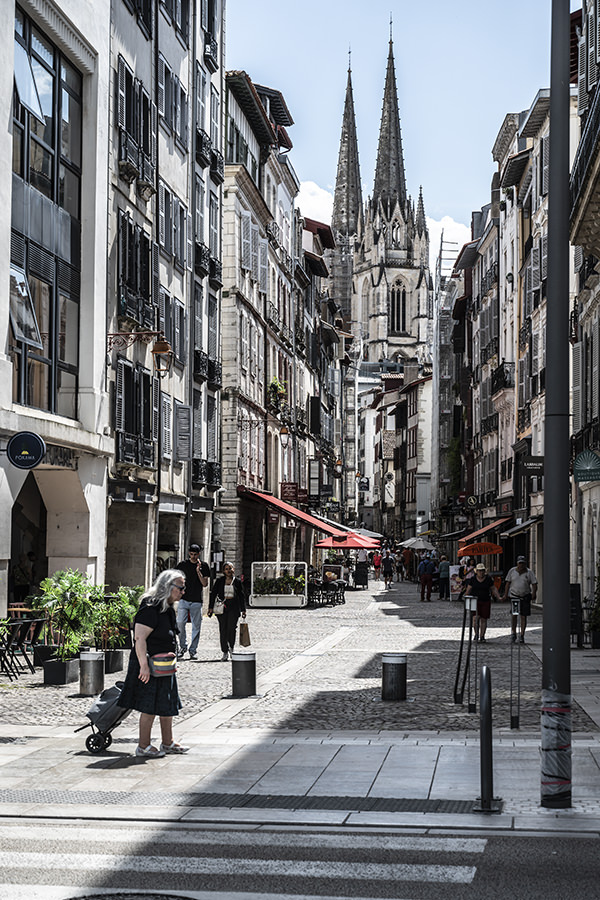
The bustling heart of the city is dominated by the Sainte-Marie Cathedral. Its construction spanned centuries. In the immediate vicinity lies the neoclassical Town Hall at the confluence of the rivers, whose rooftop statues symbolize Bayonne's economic power.
Regional Products
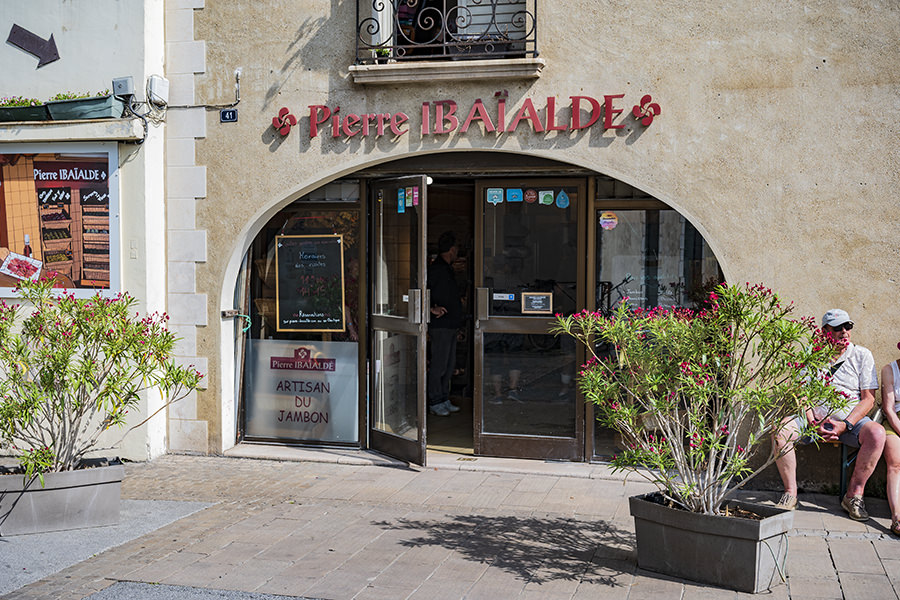
Ham and chocolate—these are the culinary pillars of Bayonne. Air-dried Bayonne ham is traditionally seasoned with Piment d’Espelette. These specialties, as well as the famous Gâteau Basque, are best discovered in the Halles on the banks of the Nive.