

EUSKADI! Saint-Jean-de-Luz
City Tours · Nouvelle-Aquitaine
Produced by:  © 2023
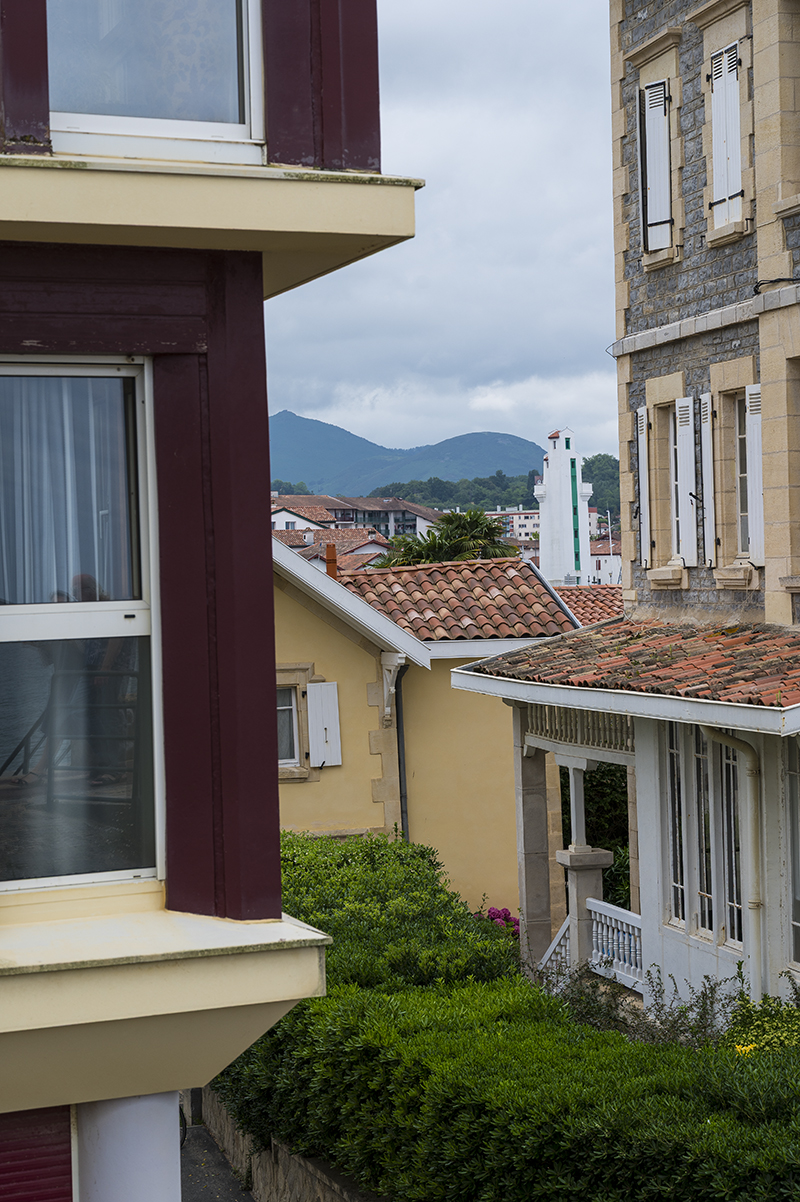
Saint-Jean-de-Luz was once a hideout for Basque corsairs; today it is a seaside resort with a relaxed atmosphere. The town is nestled in the center of a crescent-shaped bay, and its historic district is filled with colorful, traditional Basque houses.
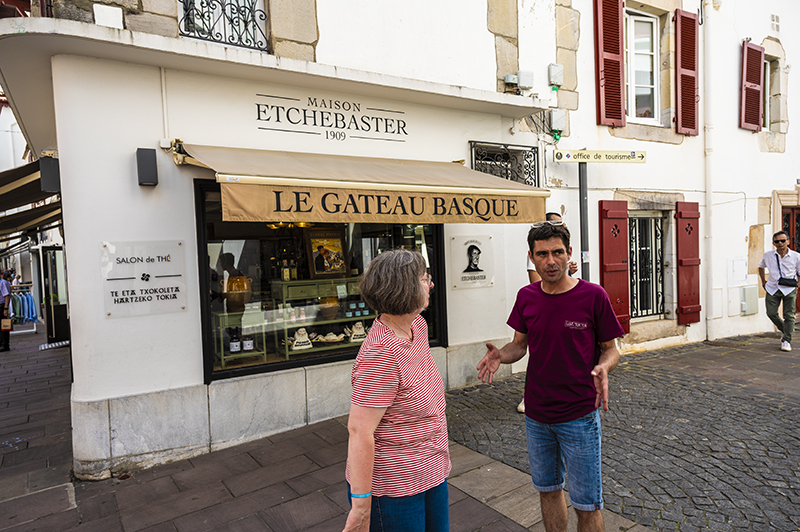
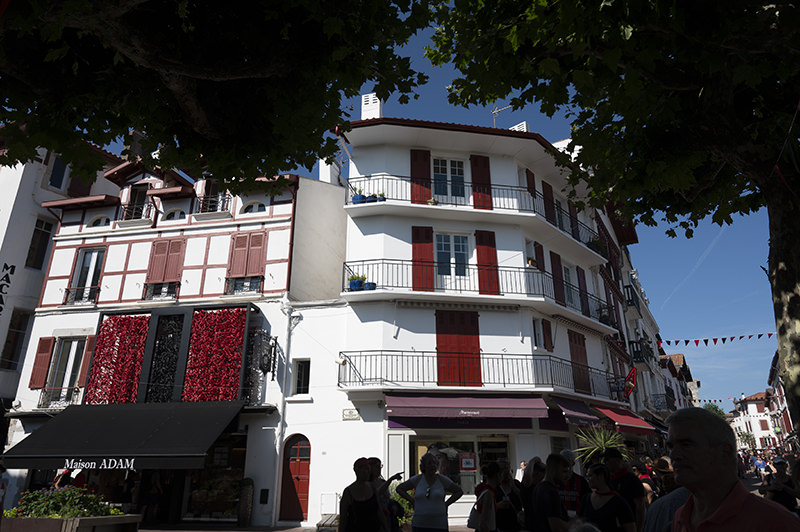
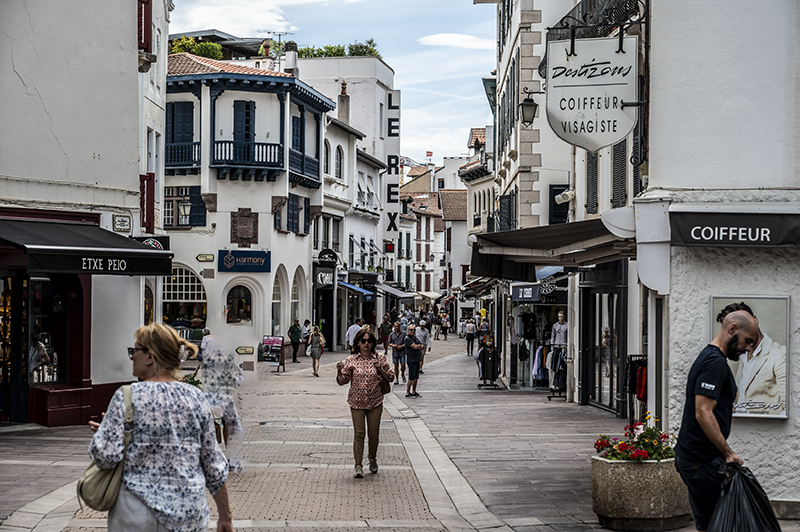
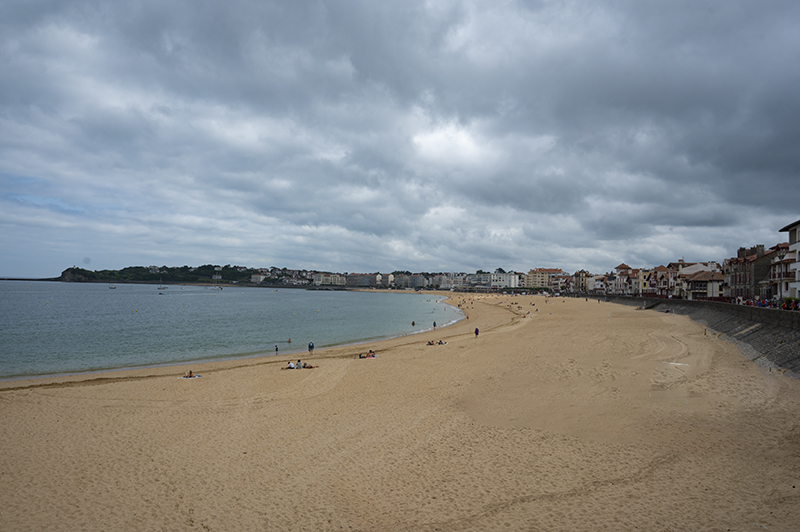
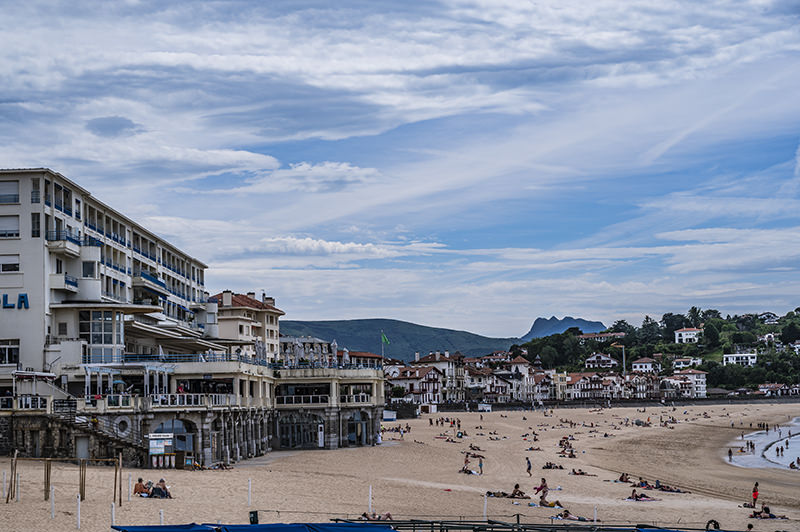
Located only about 20 minutes from our basecamp in Bidart, Saint-Jean-de-Luz has a pleasantly relaxed atmosphere, lives its Basque traditions, and is not overrun by tourists in the summer. Basque culture is visibly present here. The typical houses are particularly striking from the beach, and many restaurants bear Basque names and are decorated accordingly.
The bay of Saint-Jean-de-Luz lies on the Bay of Biscay and is the only sheltered harbor between Arcachon and the Spanish border. High walls break the waves of the Atlantic. A sandy beach, fine-grained, wide, and beautifully curved, lines the bay. Massive sea walls protect the city from the power of the ocean—a necessity, as the old town lies below sea level.
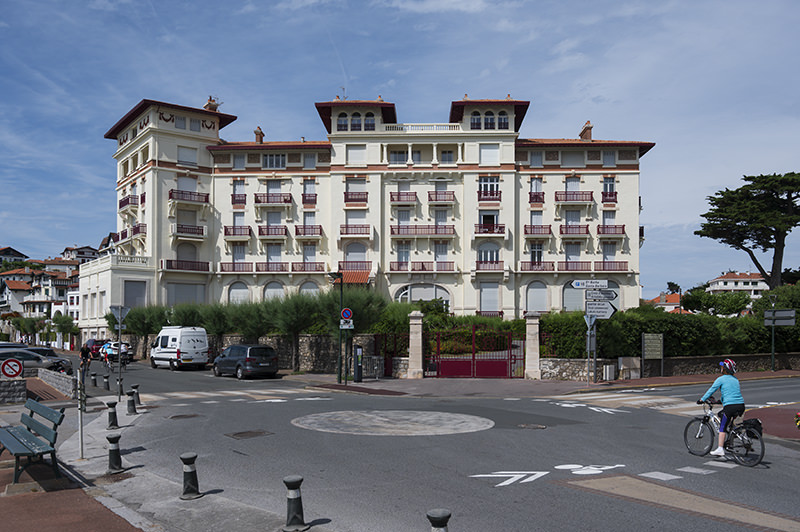
Most of the beautiful and imposing Basque houses date back to the 17th century. This was the era of the corsairs: with the crown's blessing, Basque sailors hunted the enemies of France. The plunder was brought into the port of Saint-Jean, and traces of this golden age are still clearly visible in the streets today.
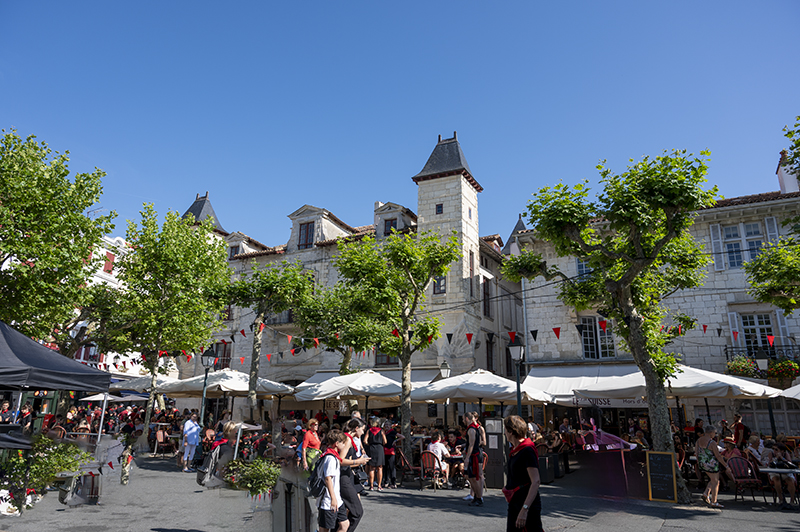
In June 1660, one of history's most significant political weddings took place here: King Louis XIV married Maria Theresa of Spain. This event ended the long conflict between the two nations and remains the pride of the "Les Luziens" to this day.
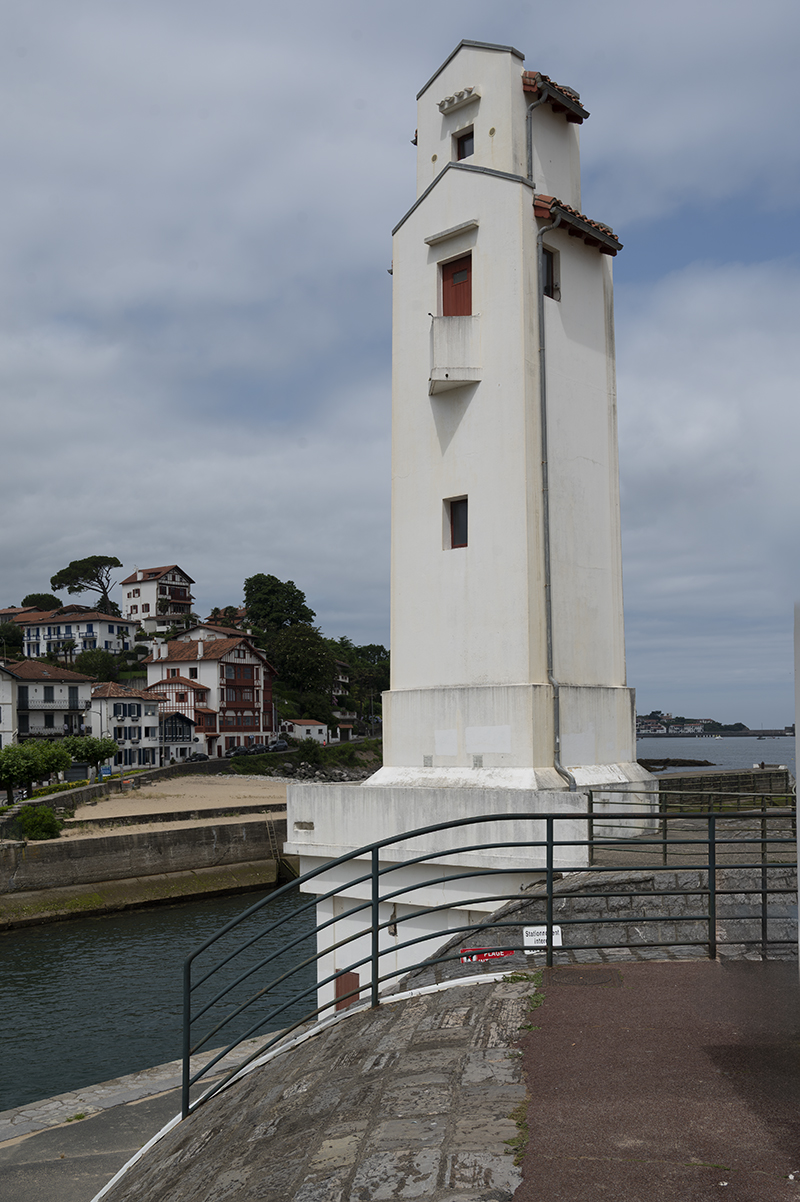
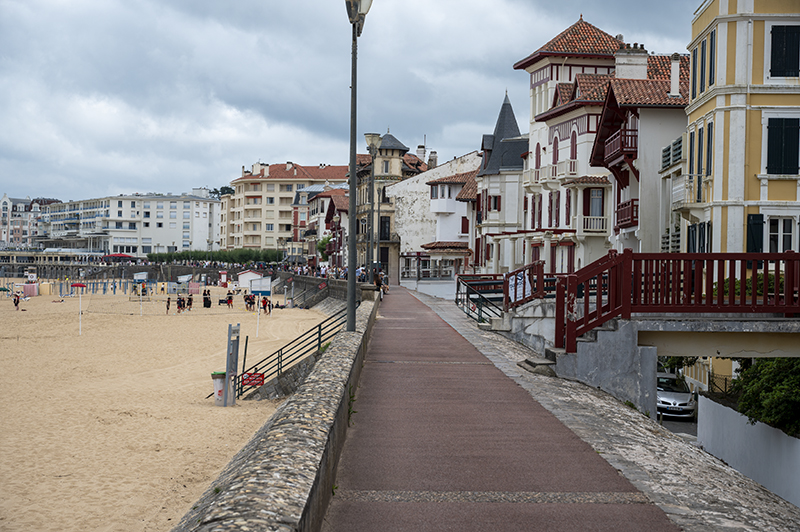
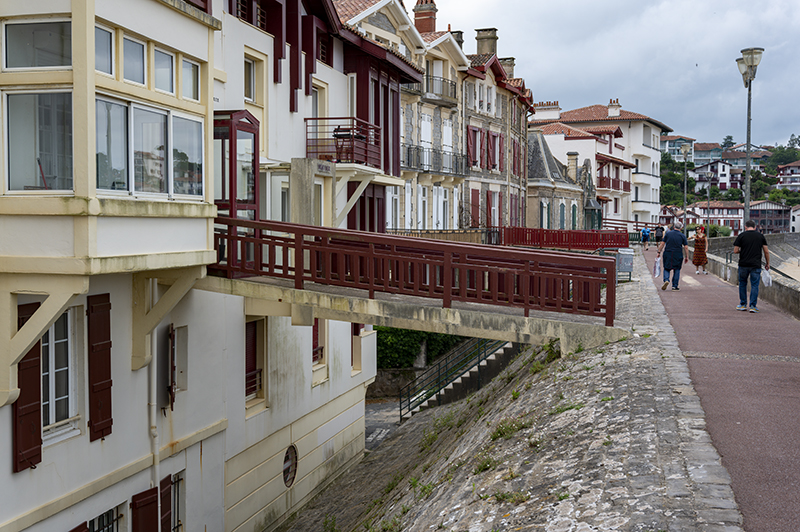
The main attraction is the "Grande plage". The promenade runs along the entire bay and offers an extraordinary panorama: the Cantabrian Sea on one side and Basque architecture on the other. Many of the houses are connected directly to the promenade by small bridges.
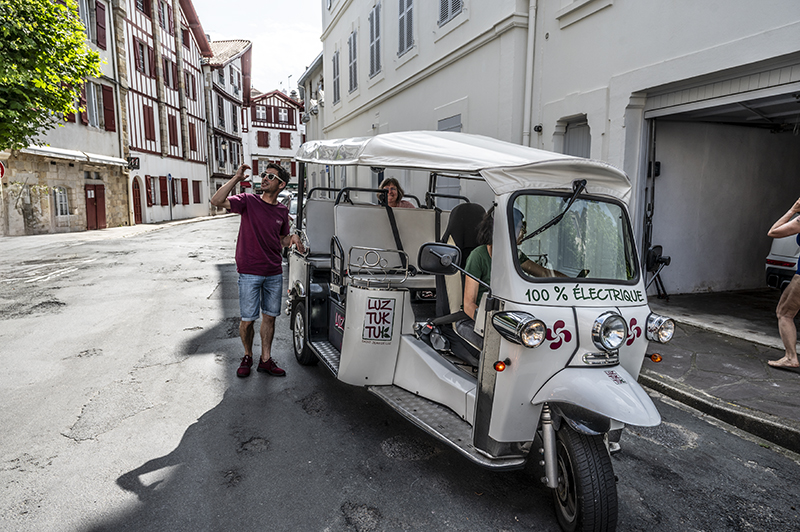
If you want to dive deeper into the background, you should take a ride with Nicolas Louberry and Adel Txu. Their Luz Tuk-tuk is not just a fun vehicle—the two know so much about their city that you only truly get to know Saint-Jean-de-Luz through them.